01Concrete grinding
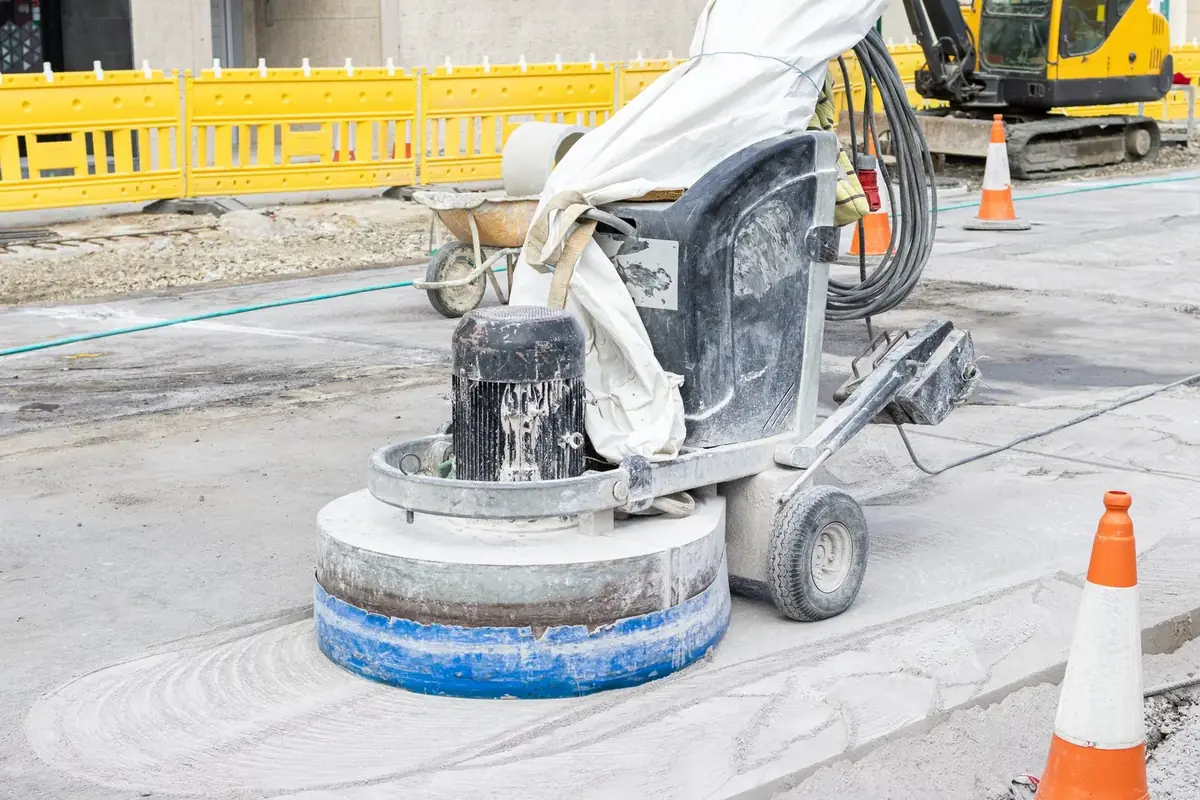
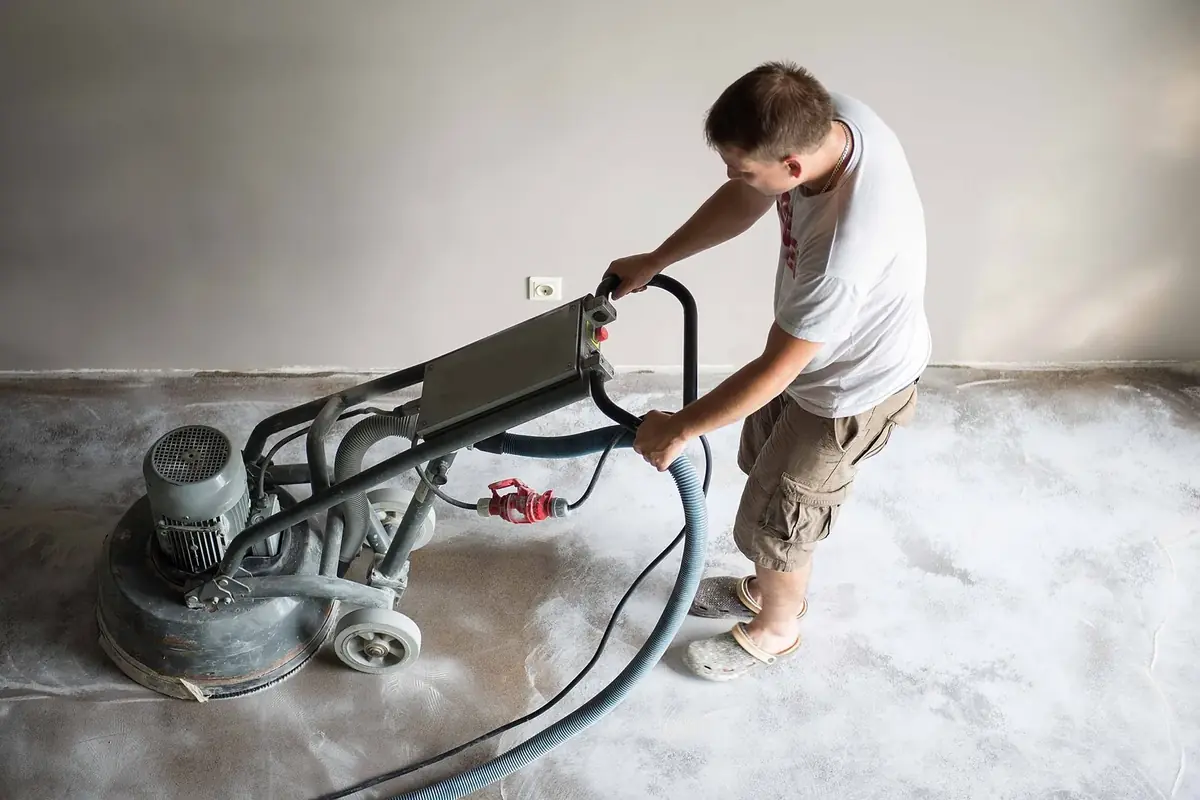
Diamond grinding uses rotating heads with diamond tooling to remove the weak surface layer, flatten minor irregularities and open the concrete. Grinders are paired with industrial vacuums to control dust. Edges and tight areas are prepared with smaller hand grinders.
02Surface profiling
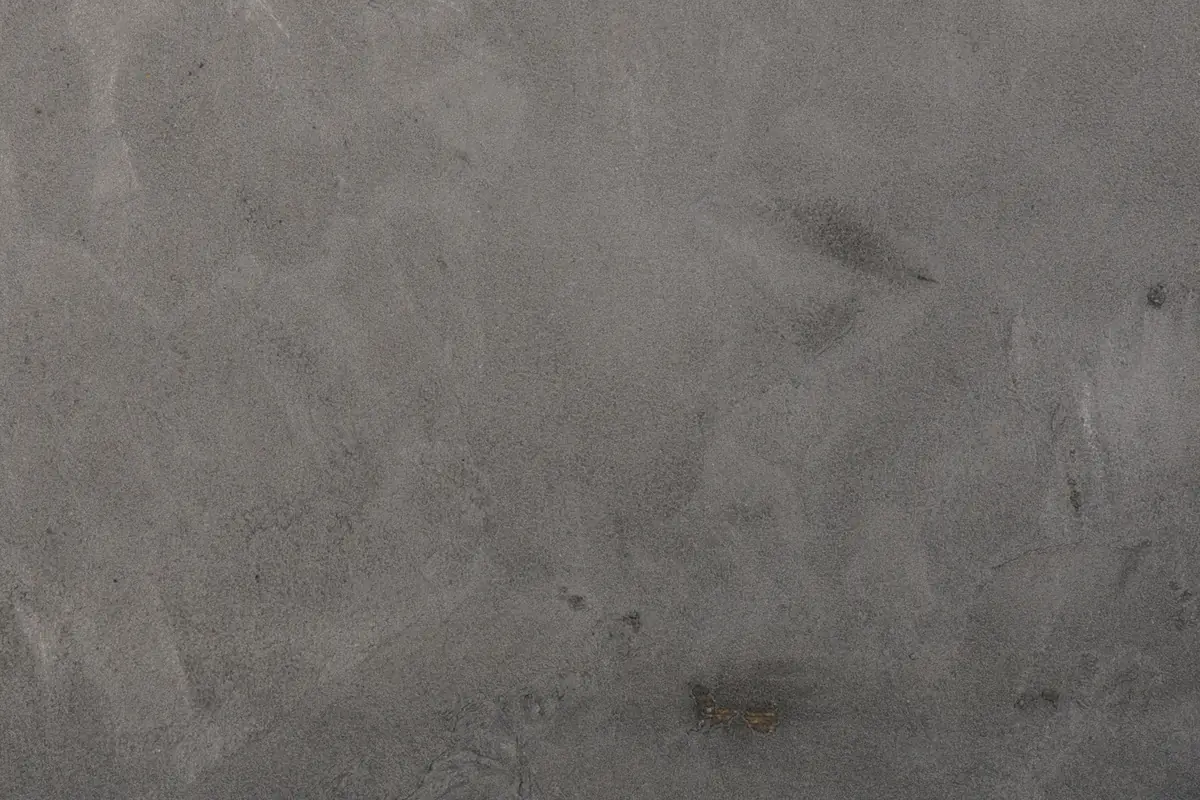
Coatings need a specific surface texture, or profile, to grip. The industry commonly references the International Concrete Repair Institute (ICRI) concrete surface profile scale, and the target profile depends on the coating thickness specified. Shot blasting is another method of profiling, often used on large open areas.
03Removal of contaminants
Oil, grease, curing compounds, sealers, adhesives and paint all interfere with bonding. These are removed mechanically, and heavily contaminated areas may need additional cleaning or removal of affected concrete. Simply coating over contamination is a common cause of failure.
04Crack and joint treatment
Cracks and spalls are routed and filled with compatible repair materials. Control joints may be filled or honored depending on slab movement. Expansion and isolation joints are typically carried through the coating so the floor can move.
05Moisture assessment
Concrete slabs on grade can transmit moisture vapor, which can build pressure under a coating and cause blistering or debonding. Common test methods include ASTM F2170 (in-situ relative humidity) and ASTM F1869 (calcium chloride). Where readings exceed product limits, a moisture-mitigating primer may be an option.
06Preparing existing coatings
If a floor already has a coating, it is evaluated for bond and compatibility. Sound coatings may be abraded and recoated; failing or incompatible coatings are removed, typically by grinding, until sound concrete is reached.