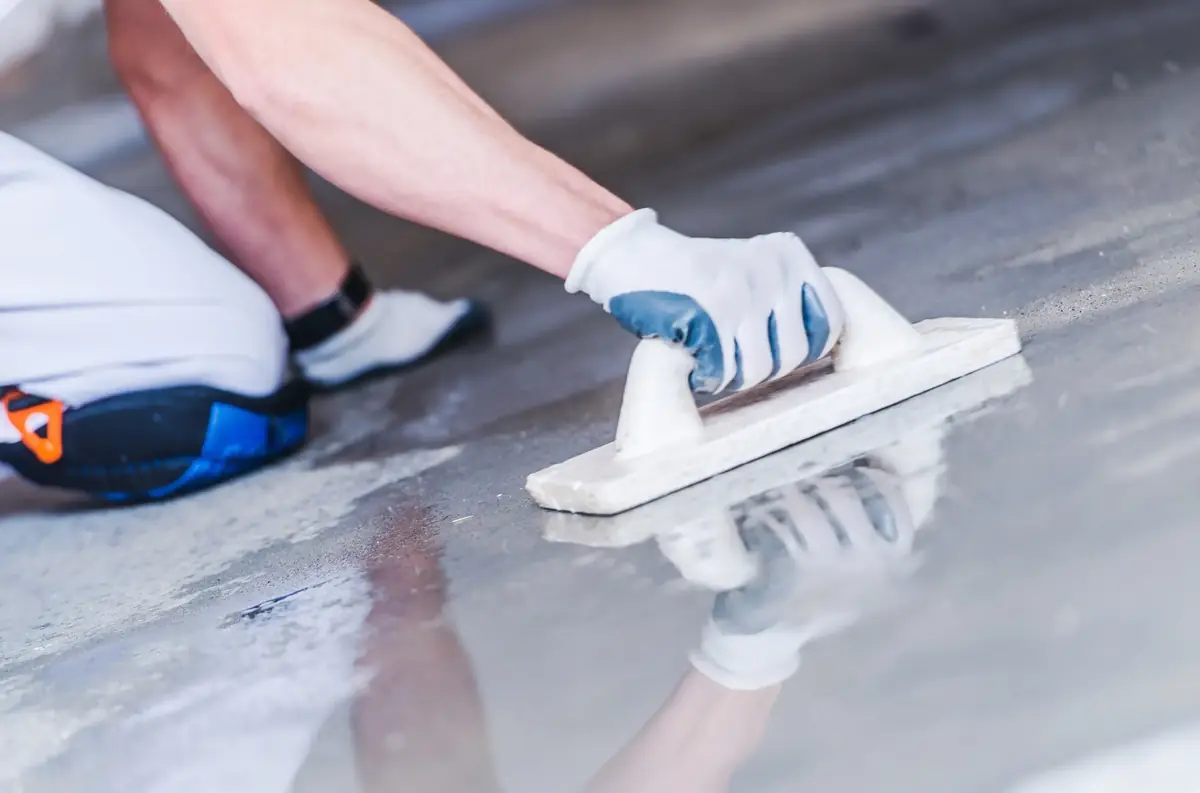
Installer smoothing repair material on a concrete floor with a hand trowel

SYS-04Repair & recoat

Epoxy Floor Repair & Restoration in Phoenix

A failing floor needs a diagnosis before it gets a fix. Understanding why a coating failed determines whether it can be repaired, recoated or needs to come off.

Commercial estimates

Request a Commercial Estimate

Tell us about your facility and floor. We’ll follow up to discuss next steps.

A rough estimate is fine.

By submitting, you agree to be contacted about your project. See our privacy policy. Have photos? Use the full estimate form.

Overview

What epoxy floor repair & restoration involves

Coated floors don’t last forever, and some fail early. Peeling, worn traffic lanes, chips, cracks and discoloration are all common. The visible damage is a symptom; the cause might be inadequate preparation, moisture in the slab, a product unsuited to the exposure or simply years of heavy use.

Restoration starts by identifying what went wrong. A floor with a sound, well-bonded coating that has simply worn may be a good candidate for cleaning, abrading and recoating. A floor that is delaminating across large areas usually needs the old system removed so a new one can bond properly.

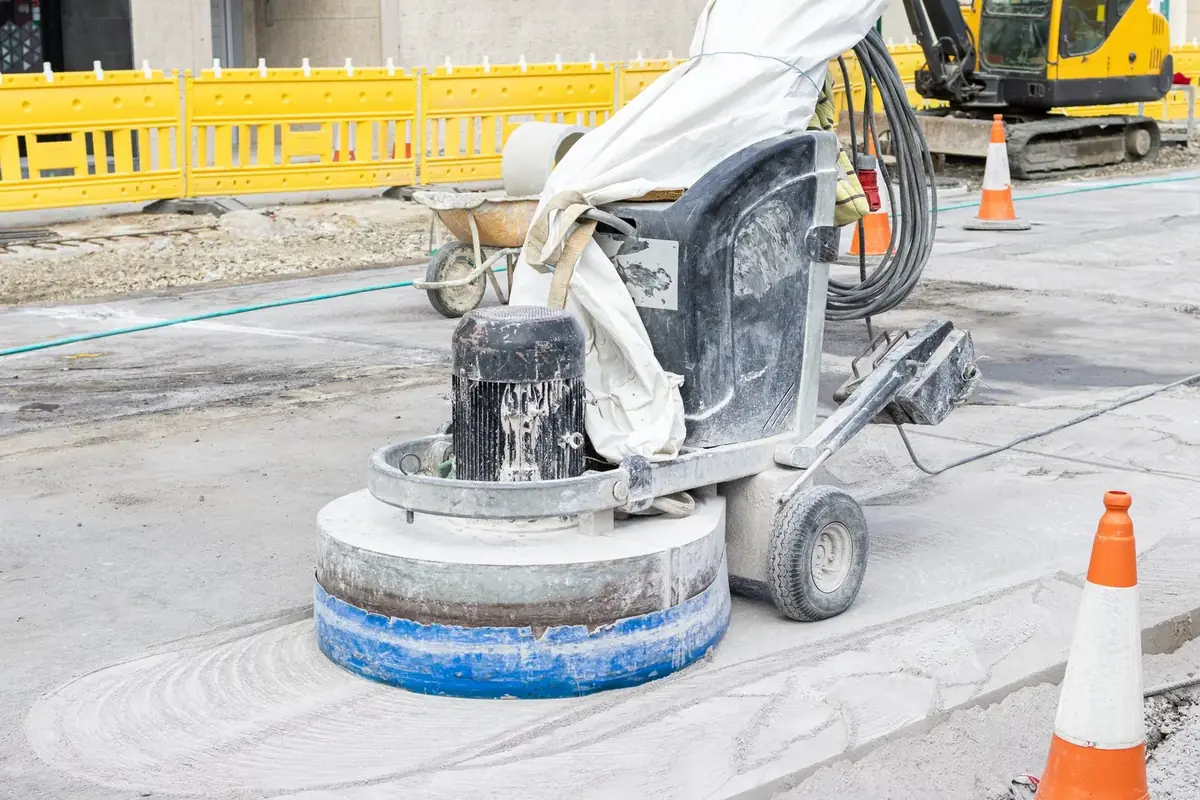
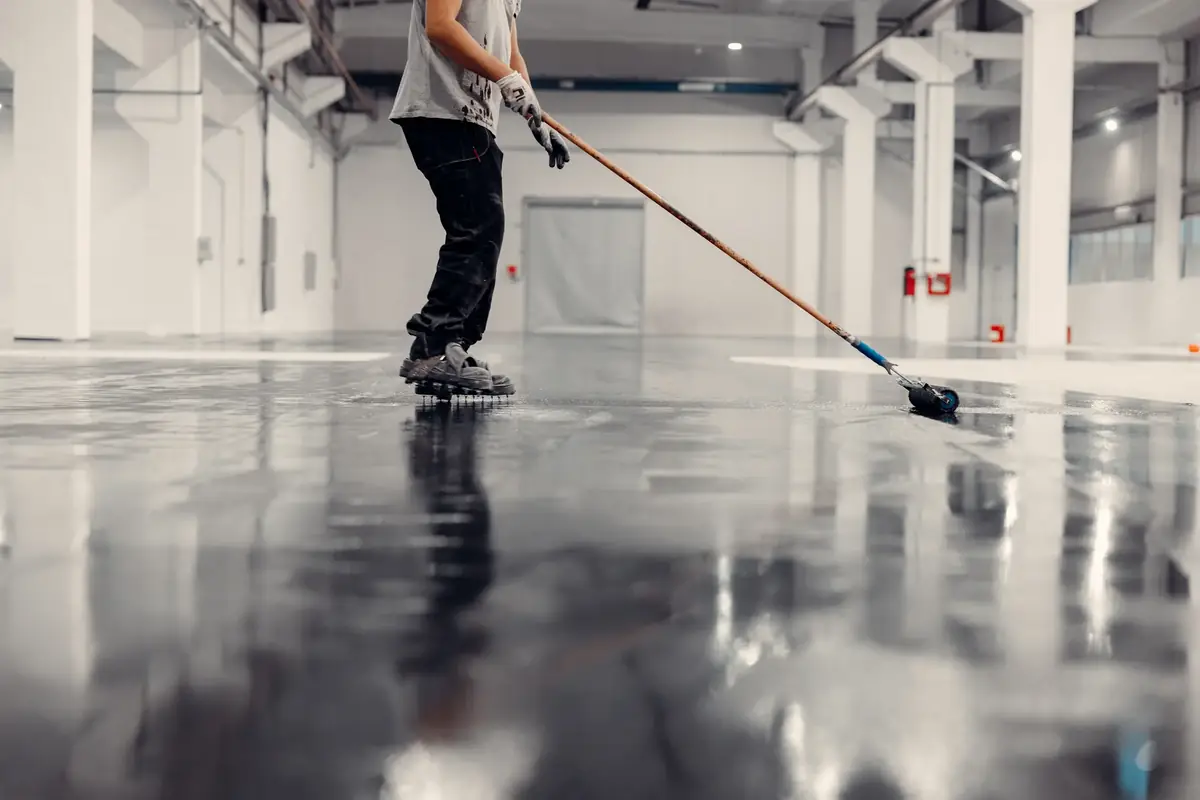
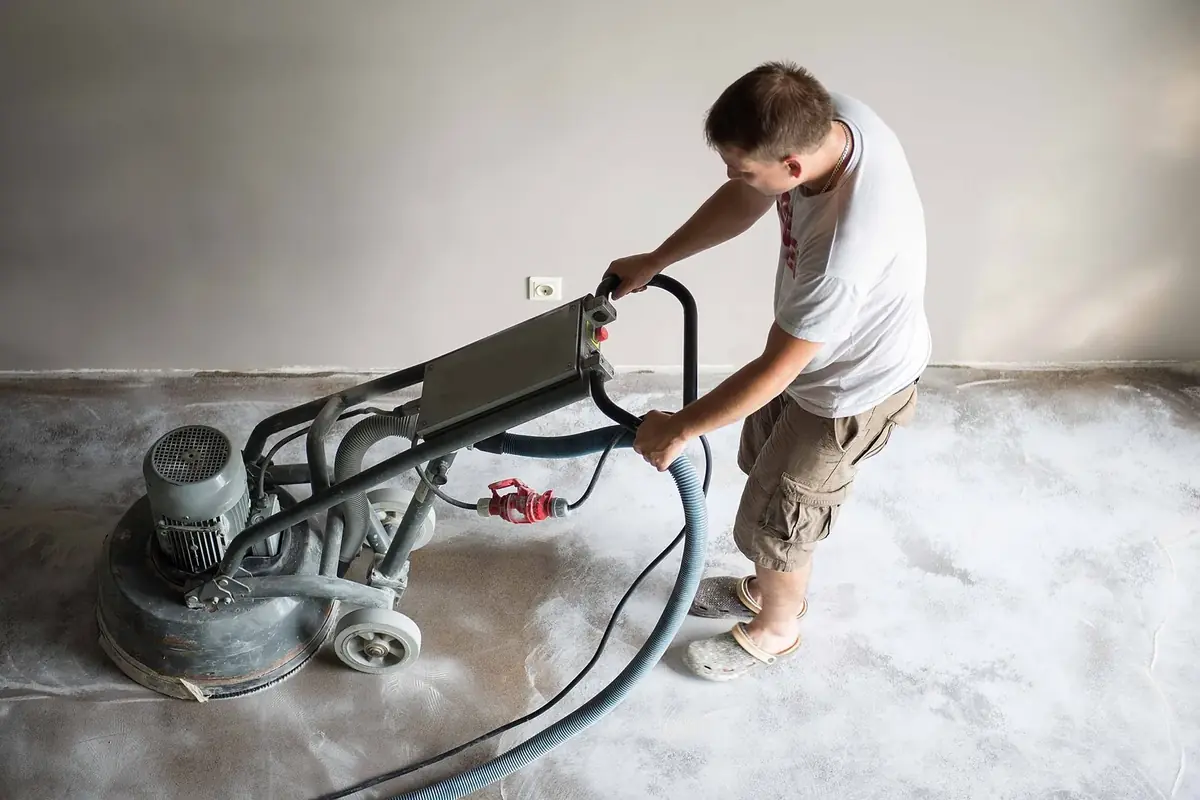
Worker operating a floor grinder to remove a coating from a concrete slab

01Peeling and delamination

When a coating lifts from the concrete, the bond has failed. Common causes include poor surface preparation, contamination, moisture vapor from the slab and incompatible products. Where peeling is widespread, spot repairs rarely last; full removal and correct preparation are usually needed.

02Surface wear

Topcoats wear in traffic lanes, at turns and near entrances. If the underlying system is still well bonded, the floor can often be cleaned, mechanically abraded and recoated to restore protection and appearance at a fraction of the cost of replacement.

03Cracks, chips and damaged areas

Impact damage, joint breakdown and slab cracks can be repaired with compatible materials, then blended into the surrounding finish. Repairs may remain visible to some degree, especially on older or faded floors where exact color matching is difficult.

04Existing coating failures

Discoloration, blistering, soft spots and chemical attack each point to different causes. Understanding the original system, where possible, helps determine compatibility. When the existing product is unknown, adhesion testing on a small area can indicate whether recoating is viable.

05Assessment before solution

Not every damaged floor can be repaired. Some need additional preparation, moisture mitigation or complete replacement. An honest assessment helps you avoid paying for a repair that won’t last.
Suitable applications

Where this system is commonly used

  • Peeling warehouse and shop coatings
  • Worn commercial floor topcoats
  • Chipped or impact-damaged areas
  • Failed DIY or paint-type coatings
  • Faded or yellowed finishes
  • Damaged joints and edges
  • Coatings affected by chemicals
  • Floors needing a refresh before a new tenant

Common flooring problems

Issues this work addresses

Peeling coating

Sheets or flakes lifting from the slab, often in traffic areas.

Worn-through lanes

Bare concrete showing where traffic is heaviest.

Blisters and bubbles

Often linked to moisture or outgassing beneath the coating.

Yellowing and fading

UV exposure or age affecting the finish color.

Installation & preparation process

How the project runs

Steps and timing vary with slab condition, the system selected and site temperature. This is the typical sequence.

  1. 01

    Failure assessment

    Damage is examined to identify likely causes.

  2. 02

    Testing if needed

    Adhesion or moisture testing on representative areas.

  3. 03

    Options review

    Repair, recoat or replace, with honest pros and cons.

  4. 04

    Preparation

    Removal of failed material and surface preparation.

  5. 05

    Repair & recoat

    Repairs, compatible coatings and topcoat applied.

  6. 06

    Cure & review

    Return to service and maintenance recommendations.

Coating systems & finish options

Systems to consider

Final selection depends on the substrate, exposures and how the space is used. Availability of specific systems is confirmed during your estimate.

SYS-04.1

Clean & recoat

For sound coatings with worn topcoats.

SYS-04.2

Localized repairs

Patching chips, cracks and damaged areas.

SYS-04.3

Full removal & replacement

When the existing coating has failed broadly.

SYS-04.4

Moisture mitigation

When slab moisture is a contributing cause, where appropriate.

Practical benefits

What a well-specified floor delivers

Root-cause focus

Fixing the cause reduces the chance of repeat failure.

Cost-effective options

Recoating can extend the life of a sound system.

Restored appearance

A refreshed floor improves the look of the facility.

Honest recommendations

Clear guidance on when repair isn’t the right answer.

Before & after

See the difference a finished floor makes

Drag the handle, or focus it and use the arrow keys, to compare. Genuine project comparisons will be added as they become available.

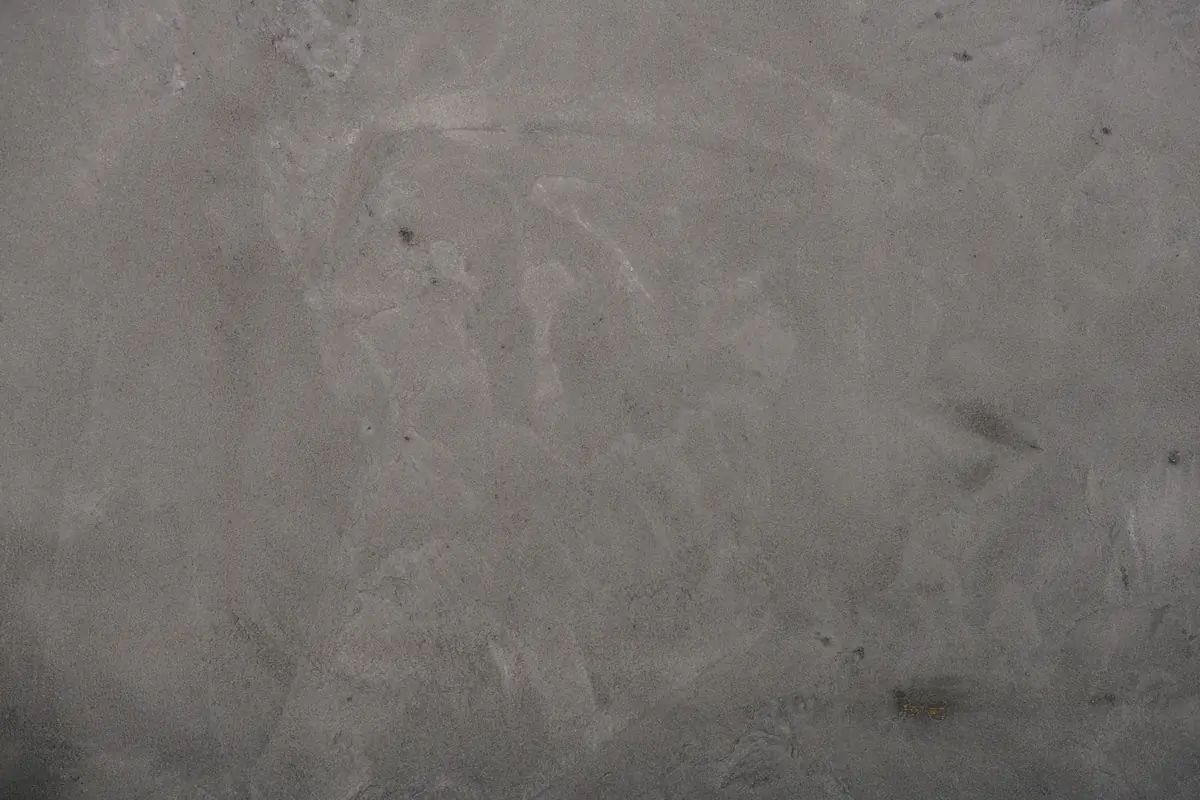
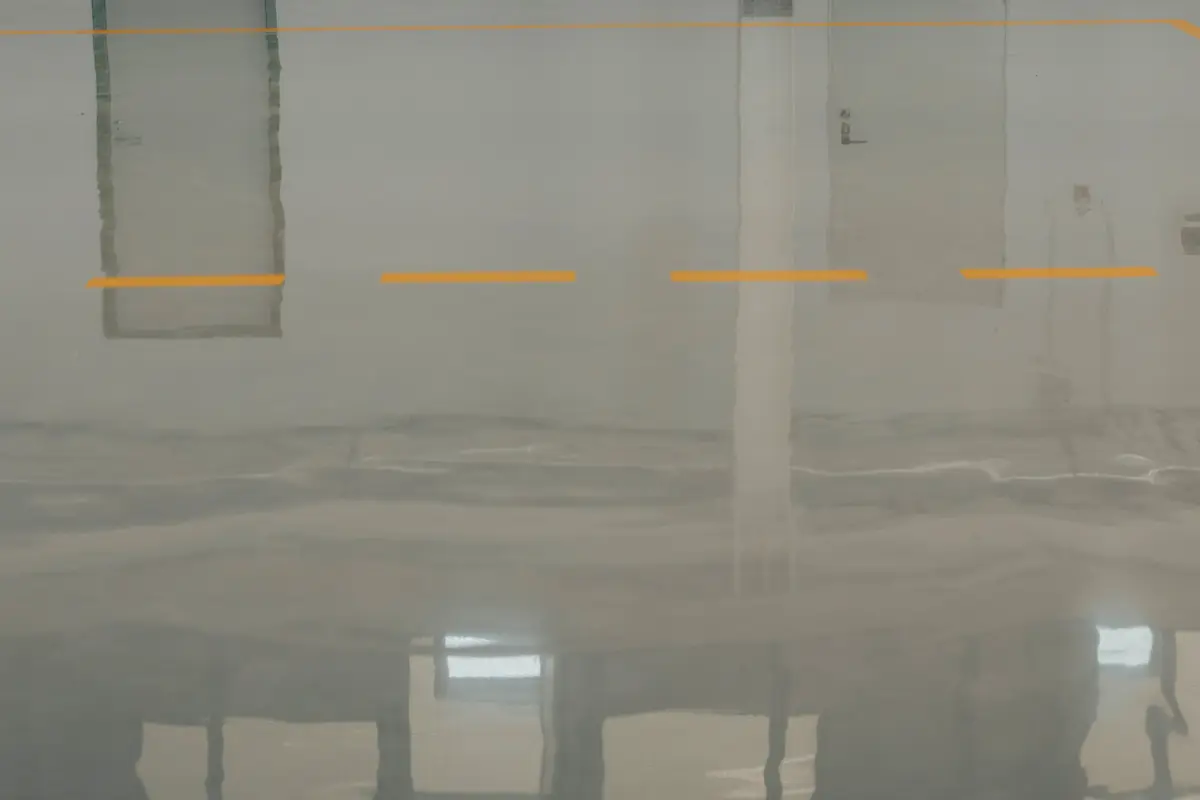
Worn and stained floor surface Restored coated floor surface Before After
Illustrative comparison using stock photography. Not a company project.
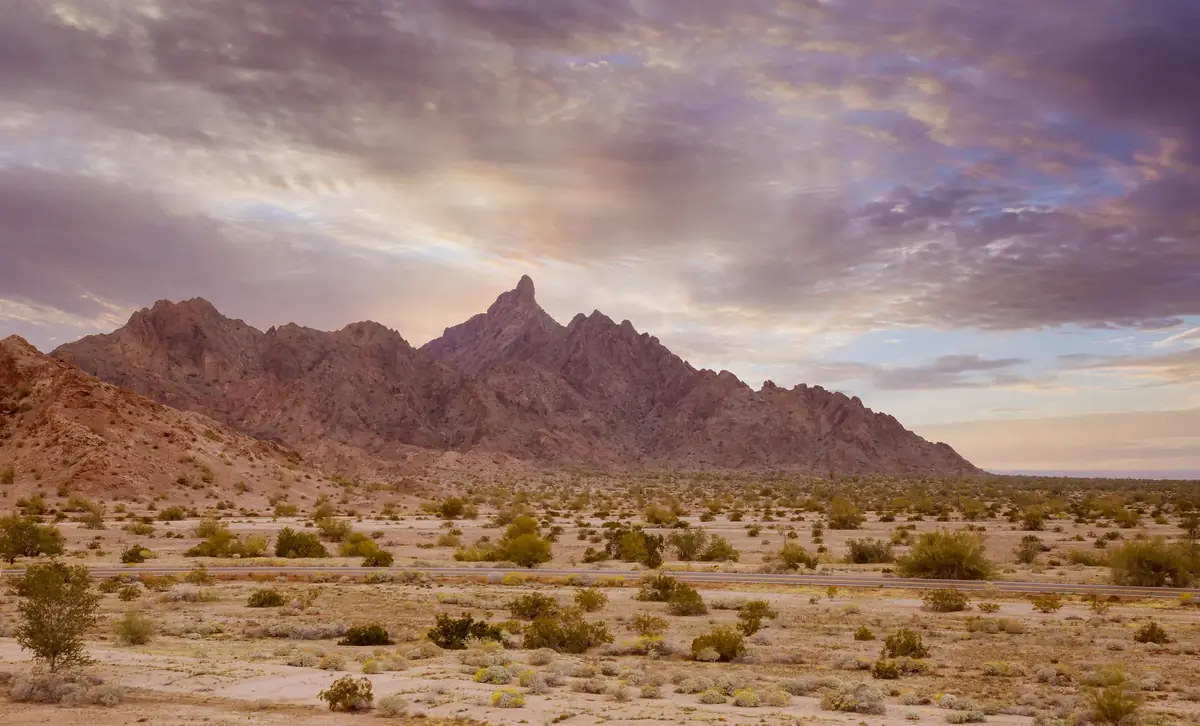
Sonoran Desert mountains and scrub under a dramatic sky near Phoenix

Phoenix, Arizona

Why coatings fail in Phoenix

Heat and sun accelerate wear and discoloration on some coatings, particularly near dock doors and storefronts. Coatings applied in extreme heat, outside of the manufacturer’s recommended range, may also have bonding or finish defects.

Many older Valley buildings have paint-type or thin DIY coatings that were never designed for commercial traffic. These typically need to be removed rather than recoated.

FAQ

Epoxy Floor Repair & Restoration questions

Ask about your project
Can you just patch the peeling areas?

Isolated damage can sometimes be patched. If peeling is widespread or caused by moisture or poor preparation, patches tend to fail too, and removal is usually the better long-term option.

Can a new coating go over an old one?

If the old coating is well bonded and compatible, it can often be prepared and recoated. Testing a small area helps confirm this.

Will repairs match the existing floor?

Repairs can be blended, but exact matching is not always possible on aged or faded floors. Recoating the whole area provides the most uniform appearance.

What causes coating blisters?

Blisters often relate to moisture vapor or air escaping from the concrete during application. The cause needs to be addressed for a repair to last.

How quickly can a repaired floor be used?

It depends on the repair materials, coatings and temperature. Timing is set based on the specific products used.

Commercial estimates

Planning epoxy floor repair & restoration in Phoenix?

Share your facility type, square footage and timeline. We’ll review the details and follow up to discuss an assessment and estimate.

Request a Commercial Estimate

Request a Commercial Estimate

A rough estimate is fine.

JPG, PNG, WebP or HEIC · up to 10 MB total.

By submitting, you agree to be contacted about your project. See our privacy policy.